A lecture series to accompany the Makovsky brothers' exhibition - Музей Фаберже
0%
Back

A lecture series to accompany the Makovsky brothers' exhibition

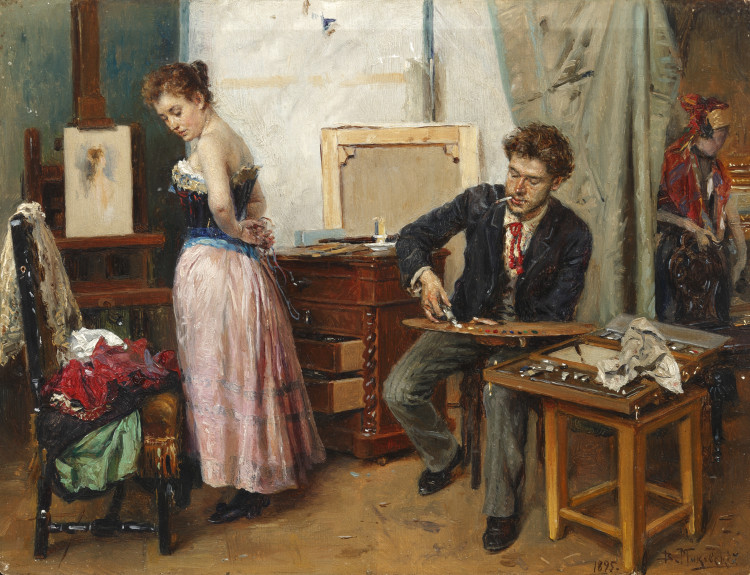
фото 1 - A lecture series to accompany the Makovsky brothers' exhibition
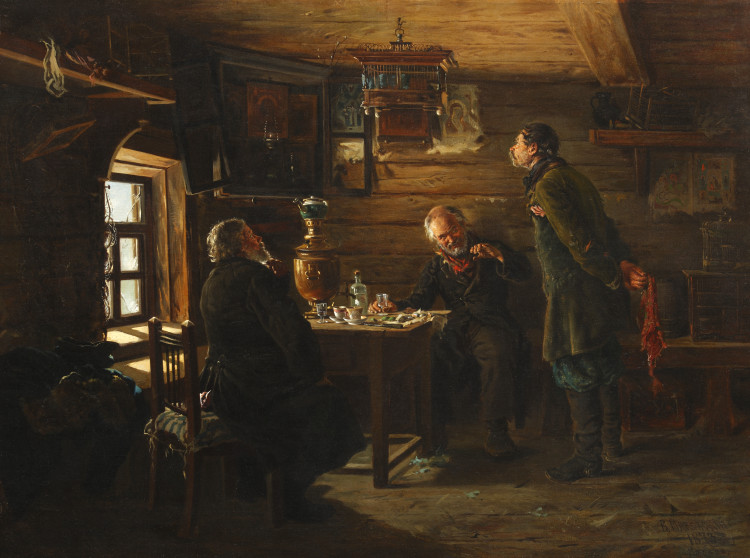
фото 2 - A lecture series to accompany the Makovsky brothers' exhibition
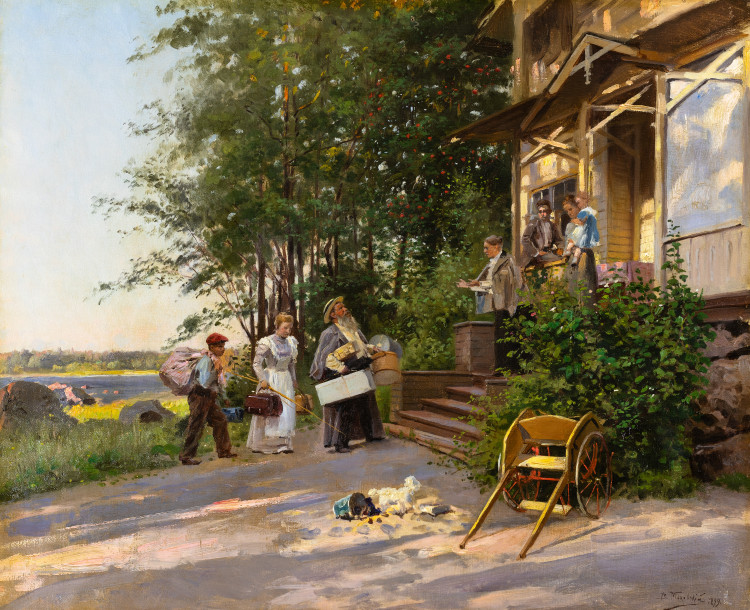
фото 3 - A lecture series to accompany the Makovsky brothers' exhibition
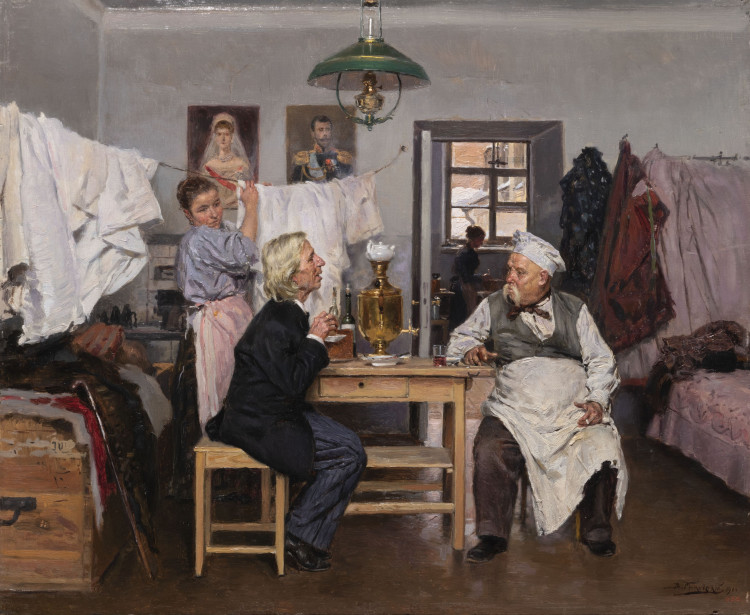
фото 4 - A lecture series to accompany the Makovsky brothers' exhibition
фото 5 - A lecture series to accompany the Makovsky brothers' exhibition

From July 15 to September 4, the Fabergé Museum will host a lecture series to accompany the exhibition "Konstantin and Vladimir Makovsky: Earthly Love and Heavenly Love", dedicated to this celebrated artistic dynasty.


Image Credits:


  1. Makovsky V.E. The Artist's Studio. 1895. Oil on wood. Private collection, Moscow

  2. Makovsky V.E. Songbird Lovers. 1873. Oil on canvas. Private collection, Moscow
  3. Makovsky V.E. The Summer Cottage Husband. 1899. Oil on canvas. Private collection, Moscow
  4. Makovsky V.E. Conversation. The Idealist-Practitioner and the Materialist-Theorist. 1900. Oil on wood. State Russian Museum
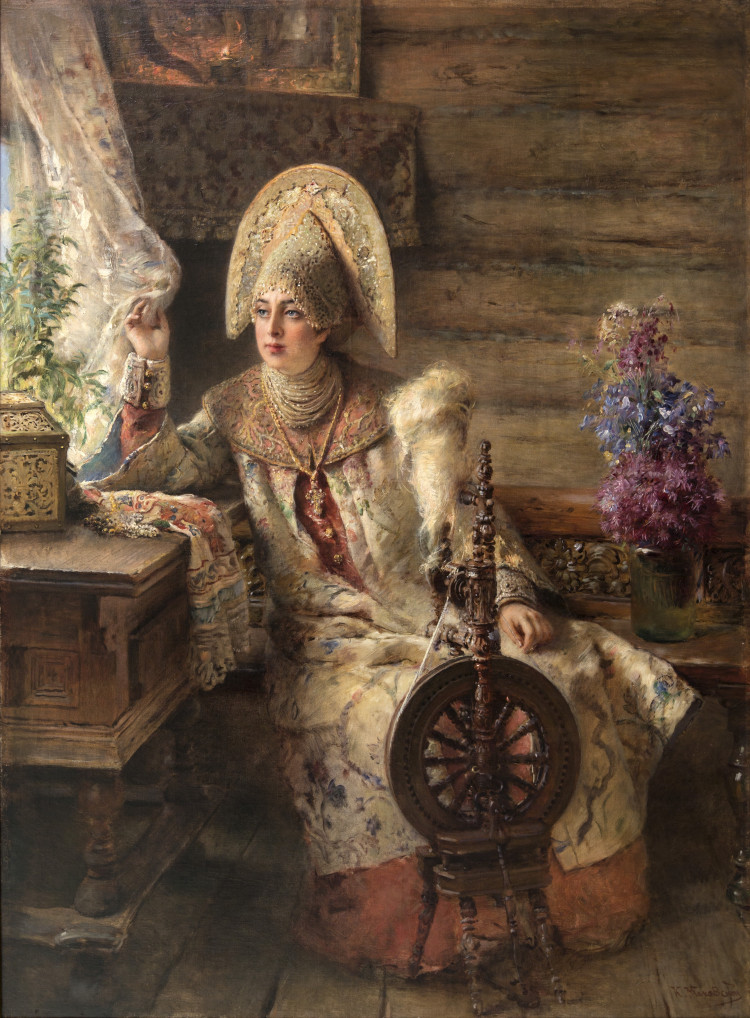
  5. Makovsky K.E. A Young Noblewoman at the Window. 1890s. Oil on canvas. Nizhny Novgorod State Art Museum
Полное расписание цикла:

 July 15 – Lecture "The Makovsky Family"


July 21 – Lecture "How Painting Tried to Speak: From Fedotov to the Makovskys"


August 4 – Lecture "Russian Life in the Fates and Images of the Makovsky Brothers"


August 20 – Lecture "Realism at First Hand. The Study of Life, Humor, and Foresight in the Painting of Vladimir Makovsky"


September 4 – Lecture "Boyaromania. Fashion and Painting"

July 15, 6:30 p.m.
The Makovsky Family

Elena Vladimirovna Nesterova


Grand PhD in Art History, curator of the exhibition «Konstantin and Vladimir Makovsky: Earthly Love and Heavenly Love»


The first lecture focuses on the talented family that gave Russian culture several generations of outstanding artists and cultural figures. The focus will be primarily on the brothers Konstantin and Vladimir Makovsky, whose works are presented at the exhibition in the Fabergé Museum; however, the discussion will also touch upon other relatives: their parents, their siblings Nikolai and Alexandra, who were also artists, and their children, who contributed to the evolution of Russian art.


Not only the creative biography but also the private life of the painters was rich, vibrant, and interesting. It included not only success and recognition, friendship with influential figures and the intellectual elite of their time, but also dramatic conflicts, personal losses, and distant travels. The family's biography fits into a turning point in Russian history, reflecting many of the upheavals of the era.

July 21, 6:30 p.m.
How Painting Tried to Speak: From Fedotov to the Makovskys

Stepanov Andrey Dmitrievich


Grand PhD in Philology, Associate Professor of the Department of the History of Russian Literature at St. Petersburg State University


The second lecture will focus on the decisive influence of literature on painting in the 19th century, on how one can almost hear the words spoken by the figures depicted in a particular painting or guess the general content of their speeches, thoughts, and feelings. The Makovsky brothers were among the most literary Russian painters, and the ability to correctly «read» their canvases turns each painting into a portal between two worlds — modernity and the world of forgotten ancestors.

August 4, 6:30 p.m.
Russian Life in the Fates and Images of the Makovsky Brothers

Boyko Alexey Grigorievich


PhD in Art History, Chief Specialist in Museum and Educational Activities (State Russian Museum), laureate of the State Prize of Russia in the field of literature and art


The life paths of Konstantin and Vladimir Makovsky are equally successful and, at the same time, dissimilar, temperaments, convictions, and the circumstances of their daily lives and creative work of the daily life and creative work of both brothers. What opportunities did the social and artistic life of their time offer them? How comprehensively did they portray Russian life? How is their legacy seen today in the context of the preceding art of Bryullov, Fedotov, and Tropinin? What does a comparison of the family history of the Benois and Makovsky artistic dynasties reveal? These are the questions that will be discussed in the third lecture.

August 20, 6:30 p.m.
Realism at First Hand. The Study of Life, Humor, and Foresight in the Painting of Vladimir Makovsky

Boyko Alexey Grigorievich


PhD in Art History, Chief Specialist in Museum and Educational Activities (State Russian Museum), laureate of the State Prize of Russia in the field of literature and art


Vladimir Makovsky, unlike his elder brother Konstantin, deliberately chose the path of an artist deeply immersed in the «Russian world». In his works, he addressed the most acute themes: the ruin of the countryside, bank failures, and bureaucratic absurdity. His paintings were banned by the censors and enthusiastically received at international exhibitions. Yet for all their topicality, Makovsky remained in history as one of the most lyrical Peredvizhniki — his contemporaries called him «the Dickens of Russian painting». In his canvases, social drama coexists with a soft, Chekhovian smile, and everyday scenes turn into prophecies. We will discuss the work of this outstanding Peredvizhniki artist in the fourth lecture.

September 4, 6:30 p.m.
Boyaromania. Fashion and Painting

Khoroshilova Olga Andreevna


PhD in Art History, Professor at Saint Petersburg State University of Industrial Technologies and Design, an art and costume historian, author of a number of books on the history of culture and fashion


Boyaromania is a curious phenomenon in the visual culture of 19th-century Russia. In Olga Khoroshilova's final lecture, we will learn why this phenomenon emerged and when it penetrated theater, painting, decorative and applied arts, and photography. We will discuss boyaromania in Russian and European fashion and how this trend manifests in the works of Konstantin Makovsky.

Collection Highlights
Введите ключевые слова для поиска и нажмите “Enter”, например: Синий зал