Love Buys Everything, Love Saves Everything: Dostoevsky for All Time. A series of lectures - Музей Фаберже
0%
Back

"Love Buys Everything, Love Saves Everything": Dostoevsky for All Time. A series of lectures

фото 1 - Love Buys Everything, Love Saves Everything: Dostoevsky for All Time. A series of lectures
фото 2 - Love Buys Everything, Love Saves Everything: Dostoevsky for All Time. A series of lectures
фото 3 - Love Buys Everything, Love Saves Everything: Dostoevsky for All Time. A series of lectures
фото 4 - Love Buys Everything, Love Saves Everything: Dostoevsky for All Time. A series of lectures

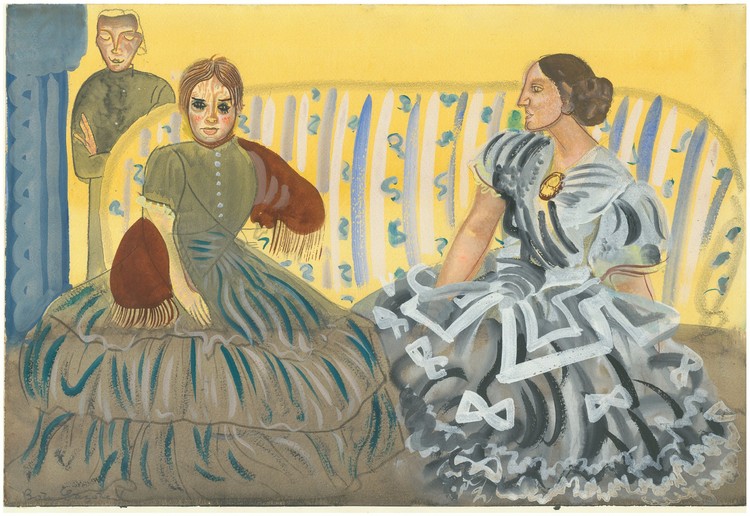
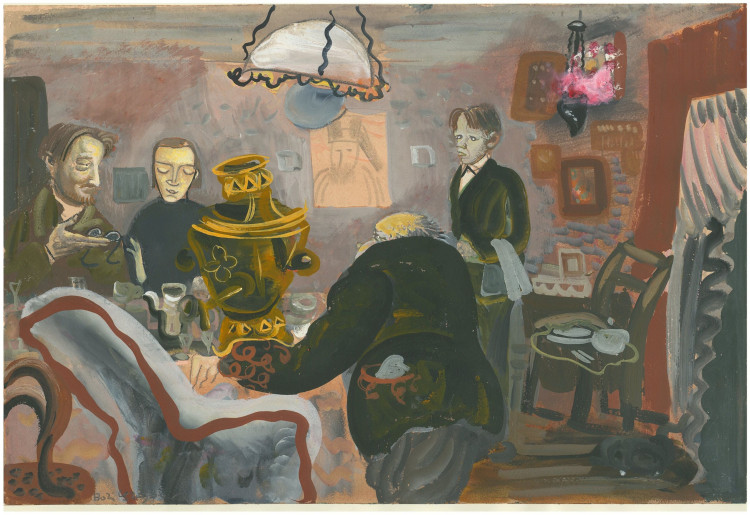
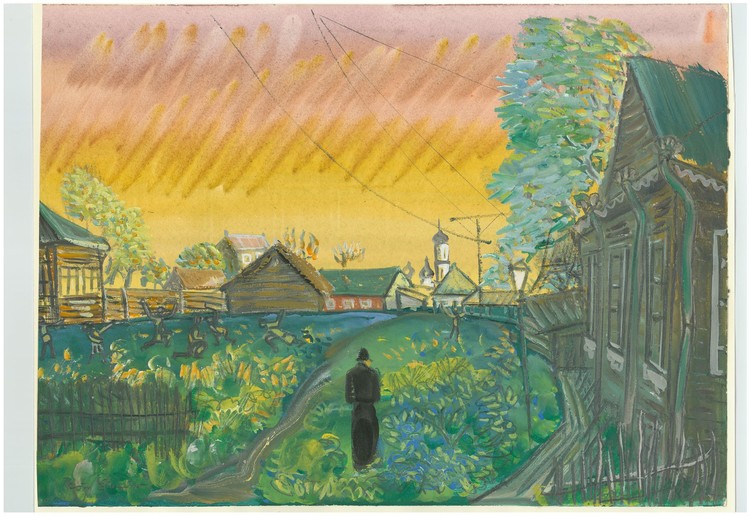
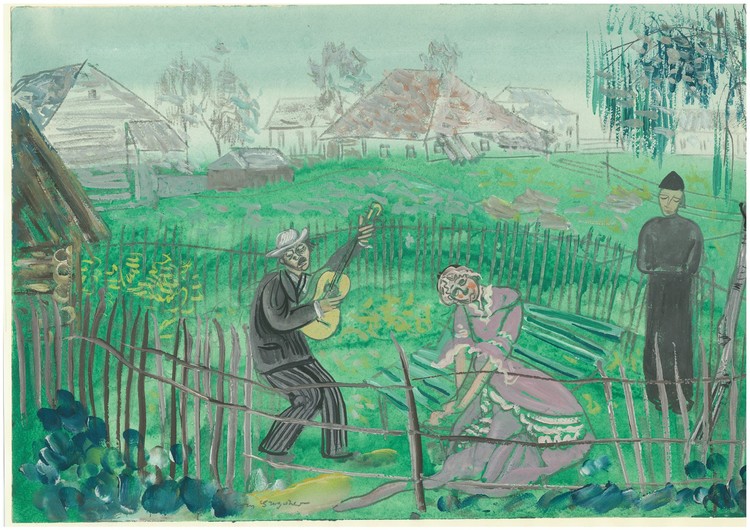
"The Link of Times" Cultural and Historical Foundation and the Fabergé Museum present an exhibition of graphic series by Boris Grigoriev inspired by on Dostoevsky's novel "The Brothers Karamazov".


The works on display were part of a unique edition — a tribute to the artist and the realization of his dream to publish the graphic cycle, which the Foundation brought to life.


As part of the project, from March 17 to 24, the Fabergé Museum will host a special lecture series exploring Dostoevsky from many angles, some unexpected. 

Full schedule of the series:
March 17 — Lecture "Fyodor Dostoevsky's Masterpiece "The Brothers Karamazov": What Is This Novel About?"
 

March 19 — Lecture "Dostoevsky Laughs"


March 24 — Lecture ""She Loved Me Boundlessly, I Loved Her Beyond Measure Too, But…": The Women of Fyodor Dostoevsky"


All events begin at 6:30 p.m. in the White Column Hall of the Shuvalov Palace

March 17, 6:30 p.m.
Fyodor Dostoevsky's Masterpiece «The Brothers Karamazov»: What Is This Novel About?

Nina Feliksovna Shcherbak


PhD in Philology, Associate Professor of the Department of English Philology and Linguoculturology at St. Petersburg State University, prose writer, screenwriter


Fyodor Dostoevsky is a great Russian author, unmatched in his ability to convey the complexities of human relationships. The plot of "The Brothers Karamazov" is structured as a detective story centered on the murder of Fyodor Karamazov, the father of three sons. Fyodor Pavlovich leaves his sons a substantial inheritance, which becomes a kind of driving force behind the conflict, laying bare the secrets of the entire family.


The eldest brother, Dmitri (Mitya) Karamazov, is a man of faith but with a hot-tempered nature. The middle brother, Ivan Fyodorovich, is a nihilist intellectual tormented by doubts about God and morality — he even converses with the devil. And the youngest son, Alyosha, a novice at the monastery, is endowed with the traits of a true hero: he loves and forgives everyone and inspires love in return, which is why he is called an "angel". What, then, is the enduring power of this novel, which tells of life's trials and moral convictions? And are there any parallels with the work of other well-known authors?
March 19, 6:30 p.m.
Dostoevsky Laughs

Andrey Dmitrievich Stepanov


Grand PhD in Philology, Associate Professor of the Department of the History of Russian Literature at St. Petersburg State University


Fyodor Dostoevsky is known primarily as the author of the pentateuch, a genre defined as the "ideological novel" or "novel-tragedy". However, other plots and genres of his artistic world remain in the shadows. The lecture "Dostoevsky Laughs" will focus on Dostoevsky as a satirist and humorist, who exists both in his own right ("The Village of Stepanchikovo and Its Inhabitants", "The Crocodile") and in the remarkable episodes and characters of the novel "Demons".

March 24, 6:30 p.m.
"She Loved Me Boundlessly, I Loved Her Beyond Measure Too, But…": The Women of Fyodor Dostoevsky

Elena Nikolaevna Dolgikh


PhD in Philology, Research Fellow at the F.M. Dostoevsky Literary-Memorial Museum


In one of his letters, Dostoevsky described himself thus: "My nature is too passionate; in everything and everywhere I go to the very last limit…"


The lecture will focus on his "dear mama", on the "fairy-tale" influence of his nanny and wet nurses on the future writer; on Dostoevsky's triumphant debut and his "literary" infatuation with Avdotya Panaeva; on the Korvin-Krukovsky sisters, the younger of whom would become famous as Sofya Kovalevskaya, and on the Suslova sisters — especially the elder, Apollinaria, who contributed greatly to the appearance of the phrase "infernal woman" in Dostoevsky's vocabulary; on the writer's first wife, Maria Dmitrievna Isaeva, and on Anna Grigoryevna Snitkina, to whom, many years after their wedding, Fyodor Mikhailovich could say: "For ten whole years I was in love with you, and all crescendo, and though I sometimes quarreled with you, I still loved you to death".

Collection Highlights
Введите ключевые слова для поиска и нажмите “Enter”, например: Синий зал