The Fabergé Era: Art Nouveau in Russia and Abroad. A series of lectures - Музей Фаберже
0%
Back

"The Fabergé Era: Art Nouveau in Russia and Abroad". A series of lectures

фото 1 - The Fabergé Era: Art Nouveau in Russia and Abroad. A series of lectures
фото 2 - The Fabergé Era: Art Nouveau in Russia and Abroad. A series of lectures
фото 3 - The Fabergé Era: Art Nouveau in Russia and Abroad. A series of lectures
фото 4 - The Fabergé Era: Art Nouveau in Russia and Abroad. A series of lectures
фото 5 - The Fabergé Era: Art Nouveau in Russia and Abroad. A series of lectures

The series consists of four lectures devoted to Art Nouveau decorative and applied arts — an era of transition that was at the same time the "Belle Époque". During these sessions, we will examine several regional variations of this new phenomenon and trace how differently artists and craftsmen at the turn of the 19th–20th centuries responded to the challenges of their time. We will turn to works from a wide variety of decorative and applied arts and try to understand how, out of a multitude of national schools and individual experiments, the many-sided yet recognizable world of Art Nouveau took shape.


Subscriptions to the lecture series and single-lecture tickets can be purchased both online and at the museum's box office. 


Venue: the first floor of the Fabergé Museum's exhibition space.


Image Credits:


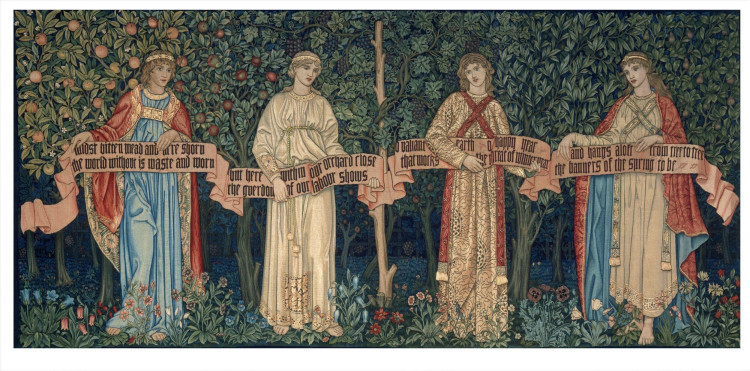
  1. Morris & Co. Tapestry "The Garden". 1890. Victoria and Albert Museum, London

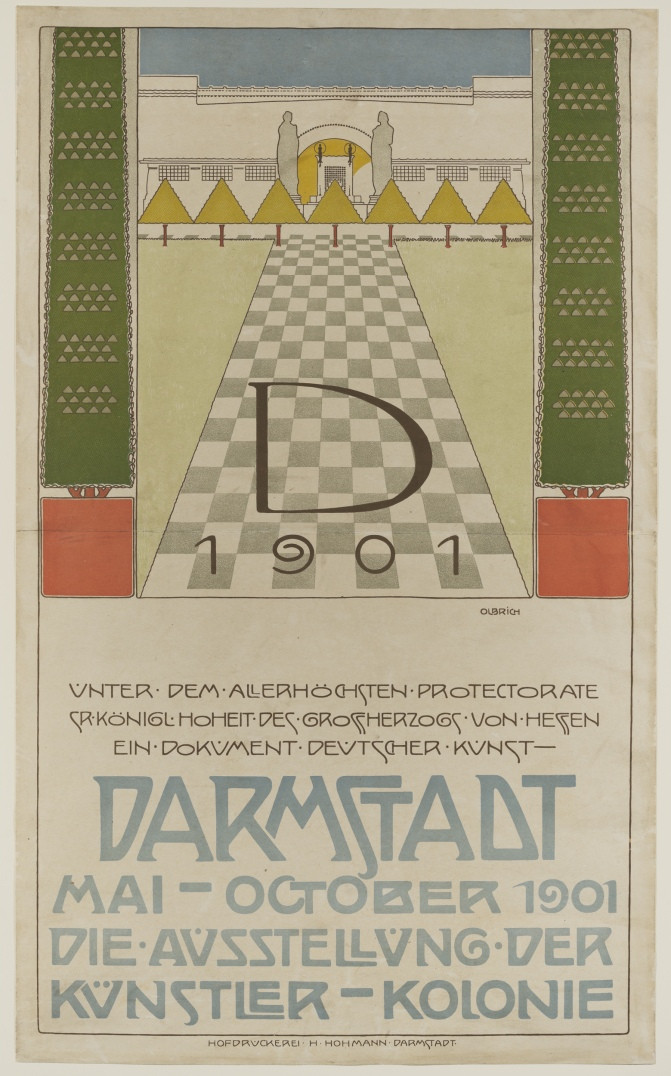
  2. J. M. Olbrich. Poster for the exhibition of the Darmstadt Artists' Colony. 1901
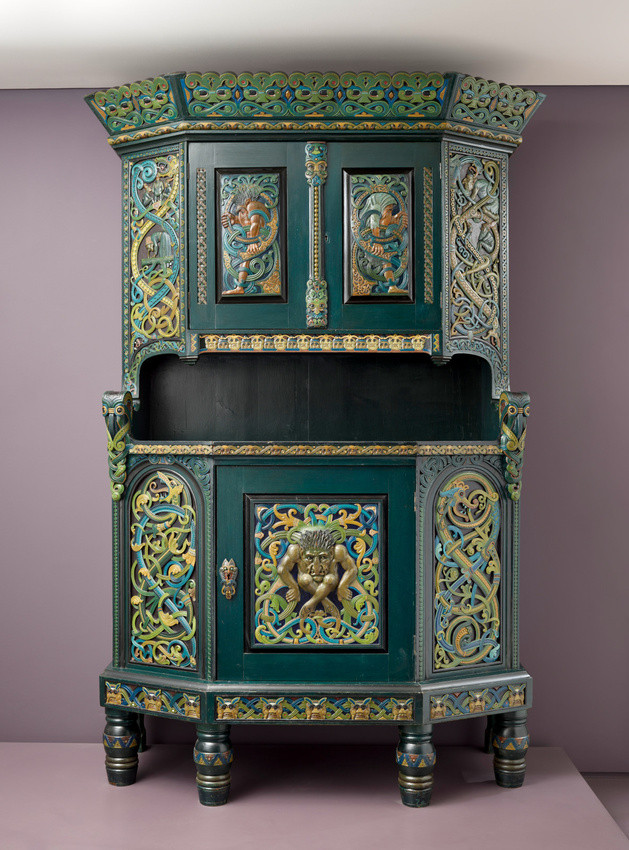
  3. L. Kinsarvik. Cabinet. Ca. 1900. Musée d'Orsay, Paris
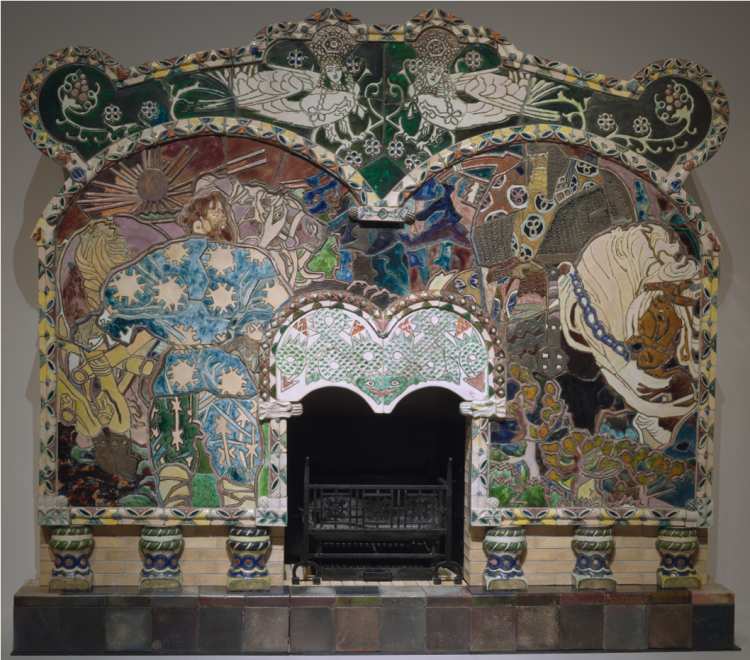
  4. M.A. Vrubel. Fireplace "Mikula Selyaninovich and Volga". 1898–1900. State Tretyakov Gallery
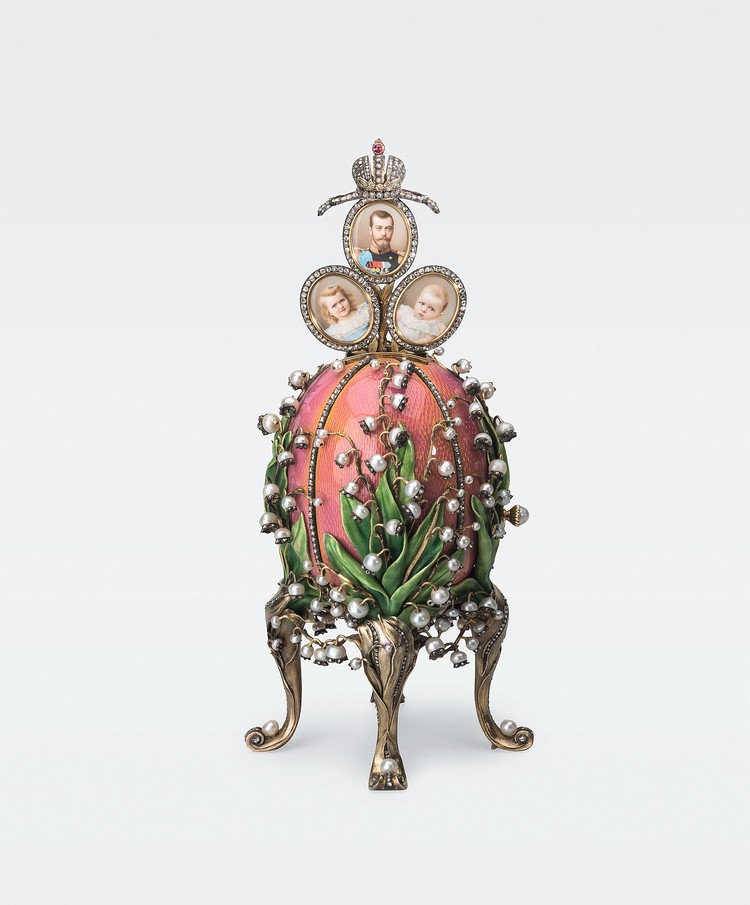
  5. Imperial Easter egg "Lilies of the Valley" in Art Nouveau style. St. Petersburg, 1898. House of Fabergé, master M. Perkhin, miniature painter J. Zehngraf
Full schedule of the series:

October 9 – Lecture "The Last Style of the "Belle Époque". The Birth of Franco-Belgian Art Nouveau and the Idea of the Total Work of Art"


October 20 – Lecture "On the Threshold of Modernism: Great Britain, Germany and Austria"


October 23 – Lecture "In Search of a National Style: Scandinavia and Finland"


October 30 – Lecture "Applied Arts of the Art Nouveau Era in Russia"

October 9, 6:30 p.m.
The Last Style of the "Belle Époque". The Birth of Franco-Belgian Art Nouveau and the Idea of the Total Work of Art

Karyuk Tamara Andreevna


PhD in Art History, Senior Lecturer at the Institute of History of St. Petersburg State University, member of the Union of Designers of Russia


At the turn of the 20th century, artists of Belgium and France were among the first to attempt to create a fundamentally new artistic language, free from historical references. In this lecture, we will discuss the emergence of Art Nouveau and the concept of "total" design, get acquainted with the work of Victor Horta, Henry van de Velde, and Louis Majorelle, examine works by Émile Gallé, the Daum brothers, and René Lalique, and also see how new materials and technologies helped craftsmen create the distinctive «floral» language of the era.

October 20, 6:30 p.m.
On the Threshold of Modernism: Great Britain, Germany and Austria

Karyuk Tamara Andreevna


PhD in Art History, Senior Lecturer at the Institute of History of St. Petersburg State University, member of the Union of Designers of Russia


Art Nouveau had another face as well — one based on clarity of construction, geometric abstraction of form, and a new understanding of the relationship between art, craft, and industrial production. In the second lecture of the series, we will trace the path from the English Arts and Crafts movement and the work of William Morris to Charles Rennie Mackintosh and the "Glasgow School". We will discuss the distinctive character of German Jugendstil and analyze why Austrian Art Nouveau is traditionally associated with the Vienna Secession. Special attention will be given to Josef Hoffmann, Koloman Moser, and other members of the Wiener Werkstätte, and we will try to understand how exactly their creative activity prepared the ground for European modernism and the development of 20th-century design practice.

October 23, 6:30 p.m.
In Search of a National Style: Scandinavia and Finland

Karyuk Tamara Andreevna


PhD in Art History, Senior Lecturer at the Institute of History of St. Petersburg State University, member of the Union of Designers of Russia


The third lecture of the series will introduce us to the decorative and applied arts of Sweden, Denmark, Norway, and Finland at the turn of the 19th–20th centuries. Here, the turn to the past becomes not so much an attempt to revive historical forms as a way of creating modern art based on a reinterpretation of national tradition. Key figures in this session include Akseli Gallen-Kallela, Eliel Saarinen, Gerhard Munthe, Frida Hansen, Thorvald Bindesbøll, Carl and Karin Larsson, and other masters whose experiments in many ways anticipated the unique path of Scandinavian design.

October 30, 6:30 p.m.
Applied Arts of the Art Nouveau Era in Russia

Karyuk Tamara Andreevna


PhD in Art History, Senior Lecturer at the Institute of History of St. Petersburg State University, member of the Union of Designers of Russia


In Russia, the Art Nouveau era, on the one hand, became part of the pan-European artistic movement, and on the other, developed in line with the search for a distinctive national style. In the final lecture of the series, we will analyze how these two strands intertwined, discuss the activities of the Abramtsevo Art Circle and the Talashkino workshops, and turn to the works of Mikhail Vrubel, Sergei Malyutin, and other artists who worked with furniture, ceramics, and textiles. Alongside the Neo-Russian style, we will examine manifestations of the international Art Nouveau style in Russian decorative and applied arts, with particular attention to jewelry-making and the unique works of the House of Fabergé.

Collection Highlights
Введите ключевые слова для поиска и нажмите “Enter”, например: Синий зал